

Ants
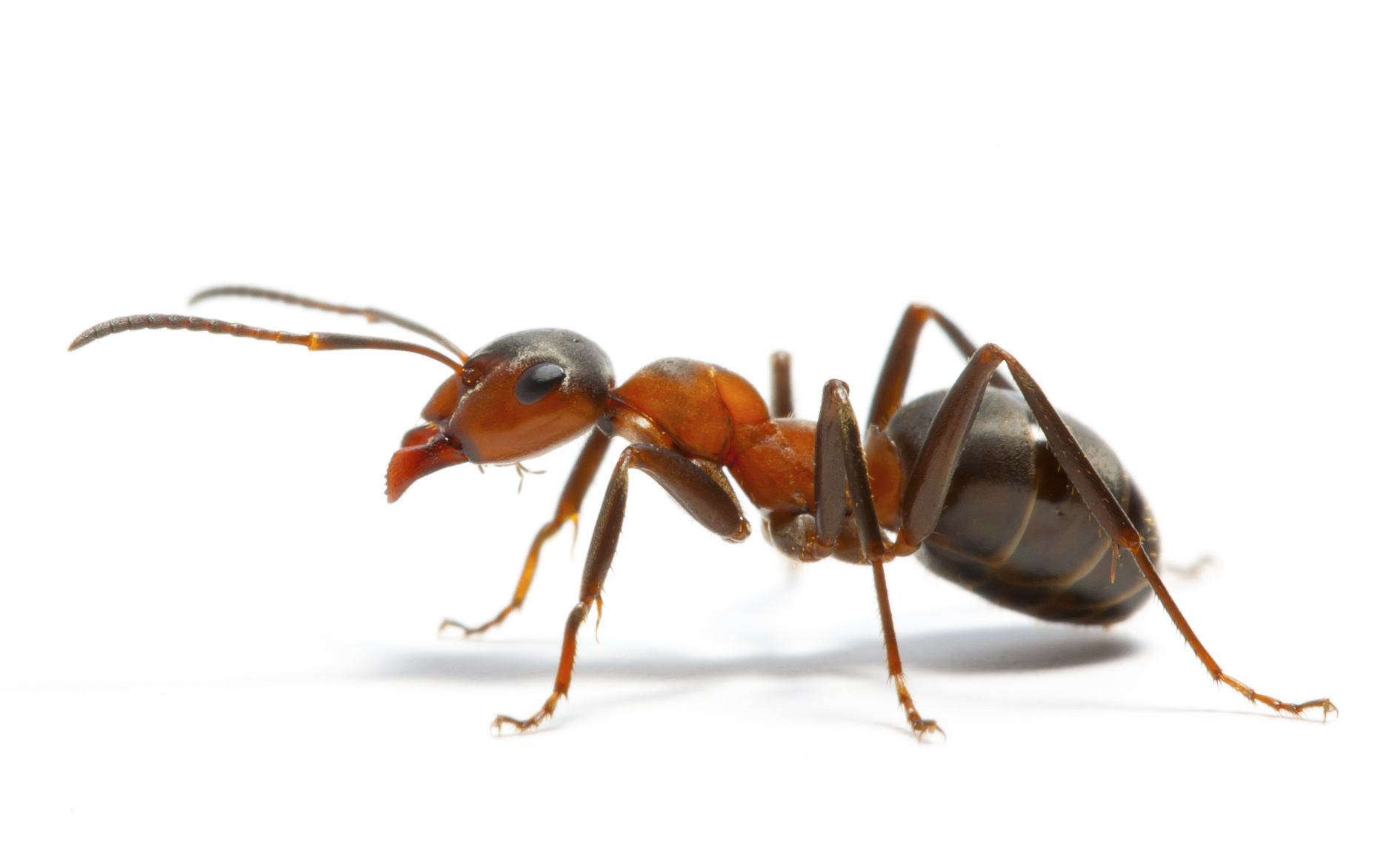
Ants: What They Look Like, Their Life Cycle, and How to Get Rid of Them | EOA Pest Control
Ants are common household pests in Nigeria. They can invade kitchens, bathrooms, bedrooms, gardens, offices, restaurants, and other commercial spaces in search of food, water, and shelter. Although some ants are harmless, others can contaminate food, deliver painful bites or stings, and cause property damage.
If you are struggling with ants in your home or workplace, understanding what ants look like, how they reproduce, and why they keep returning can help you address the problem effectively.
EOA Pest Control provides professional ant control services in Lagos, Nigeria, helping residential and commercial property owners manage ant infestations through appropriate treatment and preventive measures.
What Do Ants Look Like?
Ants are small insects belonging to the family Formicidae. They are social insects that usually live in colonies containing workers, reproductive individuals, and, in many species, a queen.
Ants vary in size and colour depending on the species. Common colours include black, brown, reddish-brown, and yellowish shades. Most household ants measure approximately 2–15 millimetres long, although some species fall outside this range.
Common physical features of ants include:
- Three body sections: The head, thorax, and abdomen.
- Six legs: Ants have three pairs of legs.
- A pair of antennae: These help ants detect food, communicate, and navigate their surroundings.
- A narrow waist: Many ants have one or two small, distinct segments connecting the thorax and abdomen.
- Strong social behaviour: Many species travel in trails as workers follow chemical signals to food sources.
Some reproductive ants develop wings during particular stages of their life cycle. These winged ants may leave their original colonies to establish new ones.
How Can You Identify an Ant Infestation?
You may have an ant infestation if you notice:
- Lines of ants moving between a nest and a food source.
- Ants gathering around sugar, crumbs, cooking oil, or other food residues.
- Small piles of soil near cracks, walls, paving, or building foundations.
- Ants emerging from wall gaps, cupboards, skirting boards, or floor joints.
- Winged ants appearing indoors, particularly around windows and lights.
- Ants repeatedly returning after cleaning or spraying.
Seeing a few ants does not always indicate a large infestation, but persistent trails or repeated sightings may suggest a nearby nest or an established colony.
If ants keep appearing despite your efforts to remove them, EOA Pest Control can help assess the affected areas and recommend a suitable treatment approach.
Common Types of Ants Found Around Homes and Businesses
Different ant species behave differently, so identifying the type of ant can help determine the most appropriate control method.
1. Black House Ants
Small black ants may enter homes in search of food and water. They are often found around kitchens, food storage areas, bins, and damp spaces.
Keeping food sealed and cleaning spills can help reduce their attraction to indoor areas.
2. Pharaoh Ants
Pharaoh ants are tiny, usually yellowish to reddish-brown insects that can infest buildings, including kitchens, apartments, hospitals, and other indoor environments.
They can be challenging to control because colonies may be distributed across multiple nesting locations. Inappropriate insecticide use can sometimes cause colonies to split and spread.
Professional identification and a carefully selected treatment strategy are important when these ants are suspected.
3. Carpenter Ants
Carpenter ants excavate wood to create nesting galleries. They do not eat wood in the same way termites do, but their nesting activity can damage wood over time.
Signs may include ants emerging from timber, wood shavings or debris near nesting areas, and activity around damp or damaged wood.
If you suspect carpenter ants or another wood-damaging insect, a professional inspection can help distinguish the problem from termite activity.
4. Fire Ants
Some fire ant species can deliver painful stings. Their presence in gardens, lawns, or outdoor spaces can pose a risk, particularly to children and pets.
Avoid disturbing suspected fire ant nests. Professional assessment is advisable when stinging ants are present around frequently used outdoor areas.
What Is the Life Cycle of an Ant?
Ants undergo complete metamorphosis, which means they develop through four stages: egg, larva, pupa, and adult.
The duration of each stage depends on the species, temperature, food availability, and other environmental conditions.
1. Ant Eggs
The queen lays eggs within the colony. These eggs are generally tiny, oval-shaped, and pale in colour.
The eggs are usually protected inside the nest, making them difficult to reach with ordinary surface sprays.
2. Ant Larvae
After hatching, ant eggs develop into larvae. Ant larvae are soft-bodied, legless, and often appear like tiny pale grubs.
Worker ants care for the larvae and provide food while they grow.
3. Ant Pupae
The larvae eventually develop into pupae, during which they transform into adult ants. Depending on the species, pupae may appear enclosed in a cocoon or develop without one.
Pupae remain within the colony and are generally protected from ordinary surface treatments.
4. Adult Ants
Adult ants emerge and take on different roles within the colony. Workers usually gather food, care for the young, and maintain the nest. Queens produce eggs, while males and reproductive females participate in reproduction.
Some ant queens can live for years, depending on the species. This means a colony may continue to produce workers even after many visible ants have been killed.
Why this matters: Killing the ants you see may not eliminate the queen, developing young, or the rest of the colony. Effective ant control often requires identifying the species, locating nesting areas, and choosing a suitable treatment strategy.
Why Do Ants Keep Coming Back?
Many homeowners spray ants whenever they appear, only to see them return a few days later. This happens because visible ants are often just a small part of a much larger colony.
Common reasons ants keep returning include:
- Hidden nests: Colonies may nest inside walls, beneath floors, around foundations, or outdoors.
- Accessible food: Crumbs, sugary spills, uncovered food, and waste attract foraging ants.
- Moisture: Leaking pipes, damp cupboards, and standing water can provide the moisture ants need.
- Multiple nesting locations: Some species establish several connected or nearby nests.
- Incomplete treatment: Surface spraying may kill visible ants without addressing the colony.
- Seasonal changes: Rainfall, heat, or changes in food availability can drive ants indoors.
The most effective approach combines appropriate treatment with sanitation, moisture management, and exclusion measures.
Simple Ways to Prevent Ants in Your Home
You can reduce the likelihood of an ant infestation by maintaining good hygiene and limiting access to food, water, and nesting spaces.
- Store food in sealed containers.
- Clean kitchen surfaces and floors regularly.
- Avoid leaving dirty dishes overnight.
- Keep rubbish bins covered and dispose of waste properly.
- Repair leaking taps and pipes.
- Seal cracks around doors, windows, and suitable wall openings.
- Trim vegetation that touches the building where practical.
- Inspect groceries, packages, and second-hand items if ant activity is suspected.
- Seek professional assistance when ants repeatedly return.
Avoid using multiple insecticides or mixing chemicals. Follow all product labels and keep pesticides away from children, pets, food, and food-preparation surfaces.
Why Choose EOA Pest Control for Ant Control?
Choosing a professional pest control company can help you manage an ant infestation more systematically and reduce the risk of recurrence.
EOA Pest Control aims to provide:
- Inspection-led service: Assessing ant activity and likely nesting areas before treatment.
- Appropriate treatment methods: Selecting control options based on the ant species and affected environment.
- Colony-focused management: Considering hidden nests and colony behaviour rather than focusing only on visible ants.
- Preventive guidance: Helping customers reduce food sources, moisture, and potential entry points.
- Residential and commercial support: Assisting customers with ant problems in homes, apartments, offices, restaurants, hotels, and other premises.
Our approach is designed to help you address the underlying causes of ant activity and maintain a cleaner, more comfortable environment.
Ant Control Services in Lagos, Nigeria
Ant infestations can occur in homes, offices, restaurants, shops, warehouses, hotels, and other buildings across Lagos. Warm conditions, accessible food, moisture, and suitable nesting spaces can support ant activity throughout the year.
If ants are invading your kitchen, appearing in your cupboards, nesting around your building, or repeatedly returning after DIY treatment, EOA Pest Control can help assess the problem and recommend a suitable solution.
Professional ant control can be particularly useful when the colony is hidden, the infestation is widespread, or the ant species requires a specialised treatment strategy.
Contact EOA Pest Control Today
Are ants taking over your kitchen, disturbing your business, or repeatedly appearing around your property?
Do not rely solely on spraying the ants you can see. Contact EOA Pest Control to discuss your ant problem and arrange professional assistance.
EOA Pest Control provides professional ant control services in Lagos, Nigeria, helping residential and commercial customers manage ant infestations with suitable treatment and preventive guidance.
Get in touch today to enquire about our ant control service and take the next step towards an ant-free environment.
EOA Pest Control — Professional pest management for a cleaner, more comfortable space.