

Insects That Make Screeching Noises: Causes, Types and How to Control Them
Have you ever heard a strange screeching, chirping, or squeaking sound in your home, garden, or surroundings, especially at night? The sound may come from insects that makes screeching noises such as crickets, cicadas, or katydids. Some insects produce loud noises to attract mates, communicate with others, or defend themselves.
Understanding which insect is making the sound can help you determine whether it is harmless, a seasonal nuisance, or a sign that you need professional pest control.
Which Insects Make Screeching Noises?
Several insects produce loud or high-pitched sounds that people may describe as screeching. The sound varies depending on the insect species, its behaviour, and the environment.
1. Cicadas
Cicadas are well known for their loud, buzzing, whining, or shrill calls. Male cicadas produce sounds using specialised structures on their bodies to attract females. Their calls are often louder during warm weather and may be heard from trees, gardens, and outdoor spaces.
Where are cicadas commonly found?
- Trees and shrubs
- Gardens and green spaces
- Outdoor areas with plenty of vegetation
Cicadas are generally not dangerous to people, although their loud calls can become irritating when many are present.
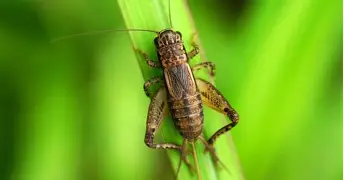
2. Crickets
Crickets produce familiar chirping sounds, usually by rubbing their wings together. Their calls are commonly heard at night, particularly in warm environments.
Crickets may enter buildings through gaps beneath doors, cracks in walls, windows, and other openings. Although their chirping is usually harmless, persistent noise indoors can be disturbing.
Signs of cricket activity include:
- Repeated chirping, especially at night
- Insects hiding in dark corners
- Crickets around outdoor lights and entrances
3. Katydids
Katydids are relatives of grasshoppers and crickets. Many species produce high-pitched calls that may sound like squeaking, rasping, or screeching. They are commonly associated with trees, shrubs, and thick vegetation.
Katydids are mostly outdoor insects, and their sounds are often more noticeable at night. They may occasionally enter homes when attracted by lights or when doors and windows are left open.
4. Grasshoppers
Some grasshopper species produce rasping or clicking sounds by rubbing body parts together or snapping their wings during flight. These sounds are not always true screeches, but they can be mistaken for them.
Grasshoppers are more commonly found in gardens, fields, lawns, and areas with abundant vegetation. Most do not pose a direct threat to people, although certain species can damage crops and plants.
5. Mole Crickets
Mole crickets are underground-dwelling insects that live in soil and may produce calls from burrows. Their sounds can be surprisingly loud relative to their size, particularly outdoors at night.
They are more likely to be a concern in lawns, gardens, and agricultural areas because some species damage grass roots and other plant material.
Why Do Insects Make Screeching Noises or Chirping Sounds?
Insects produce sounds for several reasons:
- Mating: Male insects often call to attract females.
- Communication: Some species use sounds to signal other insects.
- Defence: Certain insects produce noises when disturbed or threatened.
- Territorial behaviour: Sounds may help insects establish or maintain space.
- Environmental conditions: Temperature and time of day can influence insect activity and calling behaviour.
Not every high-pitched sound comes from an insect. Frogs, birds, bats, electrical equipment, and other sources may produce similar noises. Identifying the source before beginning pest treatment is important.
How to Identify an Insect Making Screeching Noises in Your House
If you hear a persistent screeching or chirping noise, follow these steps to investigate safely:
- Listen to the sound: Determine whether it is continuous, intermittent, rhythmic, or mainly heard at night.
- Check nearby vegetation: Cicadas and katydids are often associated with trees and shrubs outside the building.
- Inspect entrances: Look around window screens, door gaps, vents, and other openings where insects may enter.
- Look for visible insects: Observe the insect from a safe distance and note its size, colour, and appearance.
- Consider other sources: If no insect is visible, the noise may come from another animal or a mechanical source.
When Should You Contact EOA Pest Control Services?
You should consider professional assistance when you experience repeated insect activity, persistent indoor chirping or screeching, or an infestation that cannot be managed with basic preventive measures.
EOA Pest Control Services provides pest inspection and control services to help residential and commercial clients address pest problems. Our approach begins with identifying the pest and assessing the affected area before recommending a suitable control method.
Rather than treating an unidentified insect problem blindly, a professional inspection helps establish the likely source of the noise and whether treatment is necessary.
Contact EOA Pest Control Services to discuss your pest concerns and arrange an inspection where appropriate.
Frequently Asked Questions About Insects That Make Screeching Noises
What insect makes a loud screeching noise at night?
Cicadas, katydids, and some crickets can produce loud or high-pitched sounds at night. The exact insect depends on the location, habitat, and type of sound.
Can insects make screeching noises inside a house?
Yes. Crickets and other insects may enter buildings and produce chirping, squeaking, or rasping sounds. However, not every unexplained indoor noise comes from an insect.
Are screeching insects dangerous?
Most noise-producing insects are not dangerous to people. Some can damage plants, and a large number may become a nuisance. Identification is important before deciding whether control is necessary.
Does hearing an insect mean my house is infested?
No. A single insect may enter through an open door or window. Repeated sightings, persistent sounds, or multiple insects indoors may indicate a recurring entry problem or a larger population nearby.
How can I stop insects from making noise around my house?
Identify the insect first, reduce unnecessary outdoor lighting, seal entry points, and maintain surrounding vegetation. If the activity continues, professional pest identification and control may be helpful.
Conclusion
Insects such as cicadas, crickets, katydids, grasshoppers, and mole crickets can produce chirping, buzzing, rasping, or screech-like sounds. These noises are often part of normal insect behaviour, but persistent activity around a home may become a nuisance.
Identifying the insect is the first step towards choosing the right solution. For persistent or recurring pest problems, EOA Pest Control Services can help assess the situation and recommend an appropriate control approach.
EOA Pest Control Services — Professional pest inspection and control for homes and businesses.


