

Subterranean Termites
Subterranean Termites: What They Looks Like? Their Life Cycle and Why Choose EOA Pest Control Services
Subterranean termites are destructive wood-damaging pests that live mainly in the soil and can cause significant damage to buildings, wooden structures, and other cellulose-containing materials. They are particularly concerning because they often attack properties from hidden areas, allowing damage to develop before the infestation becomes noticeable.
Understanding what subterranean termites look like, their life cycle, and how to control them is essential for protecting your property. EOA Pest Control Services provides professional termite control solutions to help residential and commercial property owners manage termite infestations and protect their buildings.
What Do Subterranean Termites Look Like?

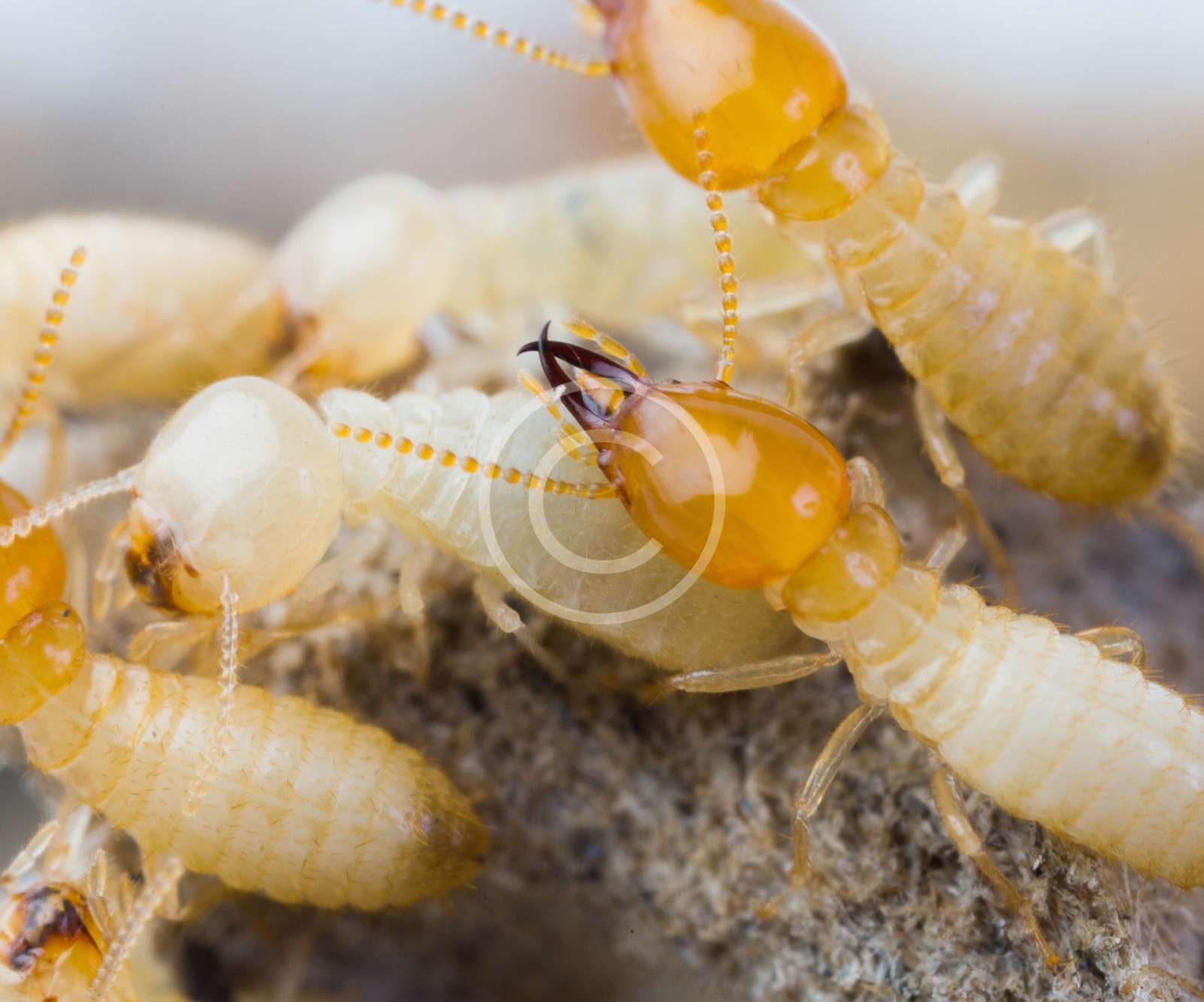
Subterranean termites are small, soft-bodied social insects that usually live in underground colonies. Their appearance varies depending on their role within the colony.
Unlike ants, termites generally have straight antennae, broad waists, and bodies without a distinctly narrow waist.
Common characteristics of subterranean termites include:
- Small bodies: Worker and soldier termites are commonly around 3–6 millimetres long, although size varies by species.
- Soft bodies: Most subterranean termites have soft bodies that are cream, pale yellow, or light brown.
- Straight antennae: Their antennae are generally straight and made up of bead-like segments.
- Broad waists: Termites do not have the narrow, pinched waists commonly seen in ants.
- Pale colouring: Worker termites are usually creamy white or translucent.
- Wings in reproductive termites: Swarmers, also called alates, have two pairs of similarly sized wings and are usually dark brown or blackish.
Types of Subterranean Termites in a Colony
A subterranean termite colony contains different castes, each performing a specific function.
1. Worker Termites
Worker termites are usually pale, soft-bodied, and blind. They are responsible for gathering food, feeding other colony members, maintaining tunnels, and caring for young termites. They cause much of the damage by consuming wood and other cellulose-containing materials.
2. Soldier Termites
Soldier termites protect the colony from threats. They often have larger, darker heads and strong mandibles or other specialised defensive structures, depending on the species.
3. Reproductive Termites
Reproductive termites include the king and queen, which help maintain the colony, as well as winged swarmers that leave mature colonies to establish new ones. Swarmers are usually darker than workers and soldiers.
Signs of a Subterranean Termite Infestation
Subterranean termites often remain hidden, so it is important to recognise the signs of their presence.
Common warning signs include:
- Mud tubes: Narrow, soil-like tunnels on foundations, walls, columns, or other structures.
- Damaged wood: Wood that sounds hollow, feels weakened, or has internal galleries.
- Discarded wings: Piles of similar-sized wings near windows, doors, or light sources after a termite swarm.
- Swarming termites: Winged reproductive termites appearing indoors or around the building.
- Bubbling paint or damaged surfaces: Some wall or surface changes may accompany concealed termite activity, although other problems can cause similar signs.
- Damaged wooden fittings: Termite activity may affect door frames, skirting boards, wooden flooring, and other timber components.
If you notice these signs, arrange a professional inspection to determine whether subterranean termites are present.
The Life Cycle of Subterranean Termites
Subterranean termites undergo incomplete metamorphosis, meaning they develop through three main stages: egg, nymph, and adult. Their development and caste differentiation depend on the species and the colony’s needs.
1. Egg Stage
The queen lays eggs within the colony. The eggs are usually small, pale, and protected in sheltered areas where workers can care for them.
The eggs hatch into young termites, which are cared for and fed by colony members.
2. Nymph Stage
After hatching, young termites develop through a series of growth stages called instars. Workers feed and care for them as they grow.
Depending on their development, genetics, and the colony’s needs, some young termites may eventually become workers, soldiers, or reproductive individuals.
3. Adult Stage
As termites mature, they develop into their respective castes. Worker and soldier termites help maintain the colony, while reproductive termites contribute to colony reproduction and expansion.
A mature colony may contain thousands or even millions of termites, depending on the species, colony age, and environmental conditions.
4. Swarming and Colony Formation
When conditions are favourable, winged reproductive termites leave mature colonies in a process known as swarming. After finding suitable locations and mates, some establish new colonies.
Swarming often occurs during warm or humid periods, although timing varies by species and local conditions.
Why the termite life cycle matters: Termite damage may continue even after visible swarmers disappear. The main colony can remain active underground or inside concealed structural areas. Effective subterranean termite control must therefore focus on the colony, its access routes, and the conditions that support its survival.
Why Are Subterranean Termites Dangerous to Buildings?
Subterranean termites feed on cellulose, a material found in wood, paper, cardboard, and other plant-based materials. They can enter buildings from the soil and reach timber through cracks, joints, foundations, and other concealed pathways.
If left untreated, a subterranean termite infestation may cause:
- Damage to wooden doors and frames.
- Deterioration of skirting boards and flooring.
- Damage to roof timbers and other structural wood.
- Destruction of wooden furniture and fittings.
- Expensive repairs and disruption to building occupants.
Because termite activity can remain hidden for long periods, early identification and appropriate treatment are important for limiting damage.
Why Choose EOA Pest Control Services for Subterranean Termite Control?
Subterranean termites can be difficult to eliminate without identifying how they enter a building and where the colony is active. At EOA Pest Control Services, we provide professional termite management solutions designed to help protect properties from termite damage.
1. Professional Termite Inspection
We assess signs of termite activity and identify areas that may be vulnerable to infestation. This helps determine the appropriate control strategy for the property.
2. Targeted Treatment Solutions
Subterranean termite control may require suitable soil treatment, foundation treatment, or other approved methods, depending on the infestation and site conditions.
Our recommendations are based on the property’s needs and the nature of the termite problem.
3. Residential and Commercial Services
We provide pest management solutions for houses, duplexes, apartments, offices, hotels, warehouses, and other buildings affected by termite activity.
4. Focus on the Source of Infestation
Effective termite control requires more than treating visible damage. We focus on identifying termite access routes and conditions that may support continued activity.
5. Preventive Recommendations
We provide practical advice to help reduce termite risks, including managing moisture, limiting direct wood-to-soil contact where possible, and addressing conditions around foundations.
6. Safety-Conscious Treatment
Termite treatments must be applied correctly and according to product label instructions. We prioritise appropriate application methods and precautions to protect occupants, pets, and the surrounding environment.
Protect Your Property with EOA Pest Control Services
Do not ignore mud tubes, damaged wood, or other signs of termite activity. Subterranean termites can continue damaging timber and other cellulose-containing materials while remaining hidden.
Contact EOA Pest Control Services today to discuss your termite control needs and arrange a professional assessment for your property.
How to Prevent Subterranean Termites
Although prevention cannot guarantee that termites will never enter a property, the following steps can help reduce the risk:
- Repair leaking pipes and other sources of excess moisture.
- Keep gutters and drainage systems functioning properly.
- Avoid direct contact between untreated timber and soil where possible.
- Remove unnecessary wood debris and cardboard from around the building.
- Keep foundations and inspection areas accessible.
- Seal suitable structural gaps where practical, while recognising that sealing alone will not eliminate an established colony.
- Arrange professional termite inspections when there are signs of activity or a history of infestation.
Combining preventive measures with appropriate professional treatment can help protect buildings from subterranean termite damage.
Frequently Asked Questions About Subterranean Termites
What do subterranean termites look like?
Subterranean termites are generally small, soft-bodied insects. Workers are usually creamy white, soldiers have more prominent heads, and winged reproductive termites are generally darker and have two pairs of similarly sized wings.
How do subterranean termites enter buildings?
They commonly travel through soil and mud tubes, entering through cracks, joints, foundations, or other concealed openings to reach timber and other cellulose-containing materials.
What is the life cycle of a subterranean termite?
Subterranean termites develop through egg and nymph stages before maturing into adults. Adults develop into different castes, including workers, soldiers, and reproductives.
How can I tell if my building has subterranean termites?
Look for mud tubes, hollow-sounding wood, discarded wings, and damaged timber. A professional inspection can help confirm the cause of suspected damage.
Can subterranean termites be eliminated?
An established infestation usually requires a suitable treatment strategy that addresses termite activity and access routes. The appropriate approach depends on the species, colony location, building design, and site conditions.
Why should I choose EOA Pest Control Services for termite control?
EOA Pest Control Services provides professional inspection, appropriate termite treatment recommendations, and preventive guidance to help residential and commercial property owners manage subterranean termite problems.
Conclusion
Subterranean termites are destructive pests that can cause significant damage to buildings because they often remain hidden underground or inside structural materials. Understanding their appearance, life cycle, and warning signs can help property owners recognise infestations before the damage becomes extensive.
For effective subterranean termite management, early inspection, suitable treatment, and preventive measures are essential.
EOA Pest Control Services is committed to helping protect your property from termite damage through professional pest management solutions. Contact us today to discuss your subterranean termite control needs.


