

Mice
What Do Mice Look Like? Life Cycle of Mice and How to Get Rid of Them
Mice are common household pests that can cause serious problems in homes, offices, restaurants, hotels, warehouses, and other commercial buildings. These small rodents can contaminate food, damage furniture and electrical wiring, and reproduce quickly when they have access to food, water, and shelter.
Understanding what mice look like, their life cycle, and how to get rid of them is essential for preventing rodent infestations. At EOA Pest Control Services, we provide professional pest control solutions to help residential and commercial property owners manage mice and other rodent problems.
What Do Mice Look Like?
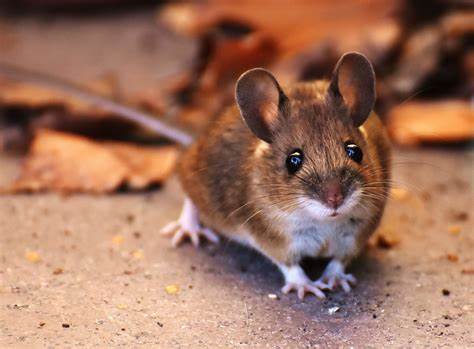
Mice are small rodents with slender bodies, pointed snouts, large ears, small dark eyes, and long, thin tails. Their fur is commonly grey or brown, although the colour may vary depending on the species.
An adult house mouse typically measures about 6–10 centimetres in body length, excluding its tail. Its tail is usually similar in length to its body.
Common characteristics of mice include:
- Small body size: Mice are generally smaller and more slender than rats.
- Pointed snout: Their narrow noses help distinguish them from many rats, which often have broader snouts.
- Large ears: House mice have relatively large ears compared with their heads.
- Long tail: Their tails are thin and usually covered with fine scales and sparse hairs.
- Grey or brown fur: Their coat colour varies depending on the species.
- Small droppings: Mouse droppings are typically small, dark, and shaped like grains of rice.
Mice are usually active at night, although they may also appear during the day when food is readily available or an infestation is substantial.
Signs of a Mouse Infestation
Recognising the signs of mice early can help prevent a small problem from becoming a larger infestation.
Common signs include:
- Small, dark droppings around cupboards, kitchens, and storage areas.
- Scratching or scurrying sounds in ceilings, walls, and hidden spaces.
- Gnaw marks on food packaging, furniture, and other materials.
- Torn paper, fabric, or other materials used for nesting.
- Food items that have been chewed or contaminated.
- A musty smell in areas where mice frequently hide.
If you notice these signs, inspect the affected area carefully and consider contacting a professional pest control company.
The Life Cycle of a Mouse
Understanding the mouse life cycle is important because mice reproduce quickly. Effective mouse control requires addressing existing rodents and preventing further breeding.
The mouse life cycle includes four main stages.
1. Pregnancy and Birth
Female house mice have a short pregnancy period of approximately 19–21 days. They usually give birth to a litter of several pups, with litter size varying according to the mother’s condition and environmental factors.
Mice often build nests in hidden, sheltered places such as wall cavities, cupboards, storage areas, and spaces behind appliances.
2. Baby Mouse Stage
Newborn mice are very small, hairless, and have closed eyes and ears. They depend entirely on their mother for warmth, protection, and nourishment.
Their fur begins to develop during the first week, and their eyes usually open at around 12–14 days.
3. Juvenile Stage
Young mice gradually become more independent as they grow. They are generally weaned at around three weeks of age and begin exploring their surroundings.
During this stage, young mice start searching for food and shelter independently.
4. Adult Mouse Stage
House mice can become sexually mature at approximately 5–8 weeks of age. This means they may begin reproducing when they are still very young.
Under favourable conditions, mice can produce multiple litters in a year. Their rapid reproductive rate means that a small infestation can grow quickly if it is not addressed.
Why the mouse life cycle matters: Killing or removing a few adult mice may not eliminate an infestation if nests, entry points, and food sources remain. Effective mouse control must consider the entire rodent population and the conditions supporting it.
Why Do Mice Enter Homes and Businesses?
Mice enter buildings mainly in search of food, water, warmth, and shelter. They can squeeze through surprisingly small openings, making it important to inspect buildings for gaps and damaged structures.
Common factors that attract mice include:
- Uncovered food and poorly stored food items.
- Accessible rubbish bins and waste.
- Cluttered storage rooms and hidden nesting areas.
- Cracks and openings around doors, windows, pipes, and walls.
- Food residue around kitchens and eating areas.
- Poorly maintained outdoor spaces that provide shelter.
Homes, restaurants, hotels, offices, shops, and warehouses may all experience mouse problems if these conditions are present.
Why Choose EOA Pest Control Services for Mice Control?
Mice can contaminate food, damage property, chew electrical wiring, and reproduce quickly if left uncontrolled. At EOA Pest Control Services, we provide professional rodent control solutions to help protect your home and business from mouse infestations.
Why Choose Us?
- Professional Service: We assess your rodent problem and recommend suitable control methods.
- Effective Rodent Management: We focus on controlling mice and addressing conditions that encourage their presence.
- Residential and Commercial Solutions: We cater to homes, offices, hotels, restaurants, shops, and warehouses.
- Prevention Advice: We provide practical recommendations to help reduce the risk of recurring infestations.
- Safety-Conscious Approach: We prioritise appropriate product use and precautions to protect people, pets, and the surrounding environment.
Choose EOA Pest Control Services Today!
Don’t let mice threaten your property’s hygiene and safety. Contact EOA Pest Control Services for professional mice control and practical solutions tailored to your needs.
EOA Pest Control Services — Helping You Maintain a Cleaner, Safer, Rodent-Controlled Environment.
How to Prevent Mice from Returning
Prevention is an important part of long-term rodent management. Follow these practical tips to make your property less attractive to mice:
- Store food in sealed, rodent-resistant containers.
- Keep rubbish bins covered and dispose of waste regularly.
- Seal holes and gaps around walls, pipes, and doors.
- Reduce clutter in cupboards, storage rooms, and warehouses.
- Clean food spills and crumbs promptly.
- Keep outdoor areas tidy and remove unnecessary hiding places.
- Monitor areas where mouse activity has previously occurred.
- Arrange professional pest control services when signs of infestation persist.
Combining these measures with suitable treatment can help reduce the likelihood of another mouse infestation.
Frequently Asked Questions About Mice
What do mice look like?
Mice are small rodents with pointed snouts, large ears, slender bodies, grey or brown fur, and long, thin tails. Adult house mice typically measure about 6–10 centimetres in body length, excluding the tail.
How quickly do mice reproduce?
House mice have a pregnancy period of approximately 19–21 days and can become sexually mature at around 5–8 weeks. Under favourable conditions, they can produce multiple litters per year.
How can I tell the difference between mice and rats?
Mice are generally smaller and more slender, with relatively large ears and pointed snouts. Rats are usually larger and more robust, although size and appearance vary by species.
What attracts mice to a house?
Mice are attracted to accessible food, water, shelter, clutter, and suitable nesting areas. Small gaps around doors, pipes, and walls can provide entry points.
Why do mice keep coming back?
Mice may return if entry points remain open, food is accessible, or nesting sites have not been addressed. Effective control combines rodent management with sanitation and exclusion measures.
Can EOA Pest Control help get rid of mice?
Yes. EOA Pest Control Services can assess mouse activity and recommend suitable rodent-control and prevention measures for homes and commercial properties.
Conclusion
Mice may be small, but they can cause significant problems when they enter homes and businesses. Understanding what mice look like, how they reproduce, and what attracts them can help you identify an infestation early and take appropriate action.
For effective mouse control, combine good sanitation, secure food storage, sealing of entry points, and suitable rodent-control methods.
EOA Pest Control Services is here to help you manage mouse infestations and protect your property. Contact us today to discuss your rodent-control needs and work towards a cleaner, rodent-free environment.


