

Scorpions
What Do Scorpions Look Like? How to Get Rid of Scorpions and Understand Their Life Cycle
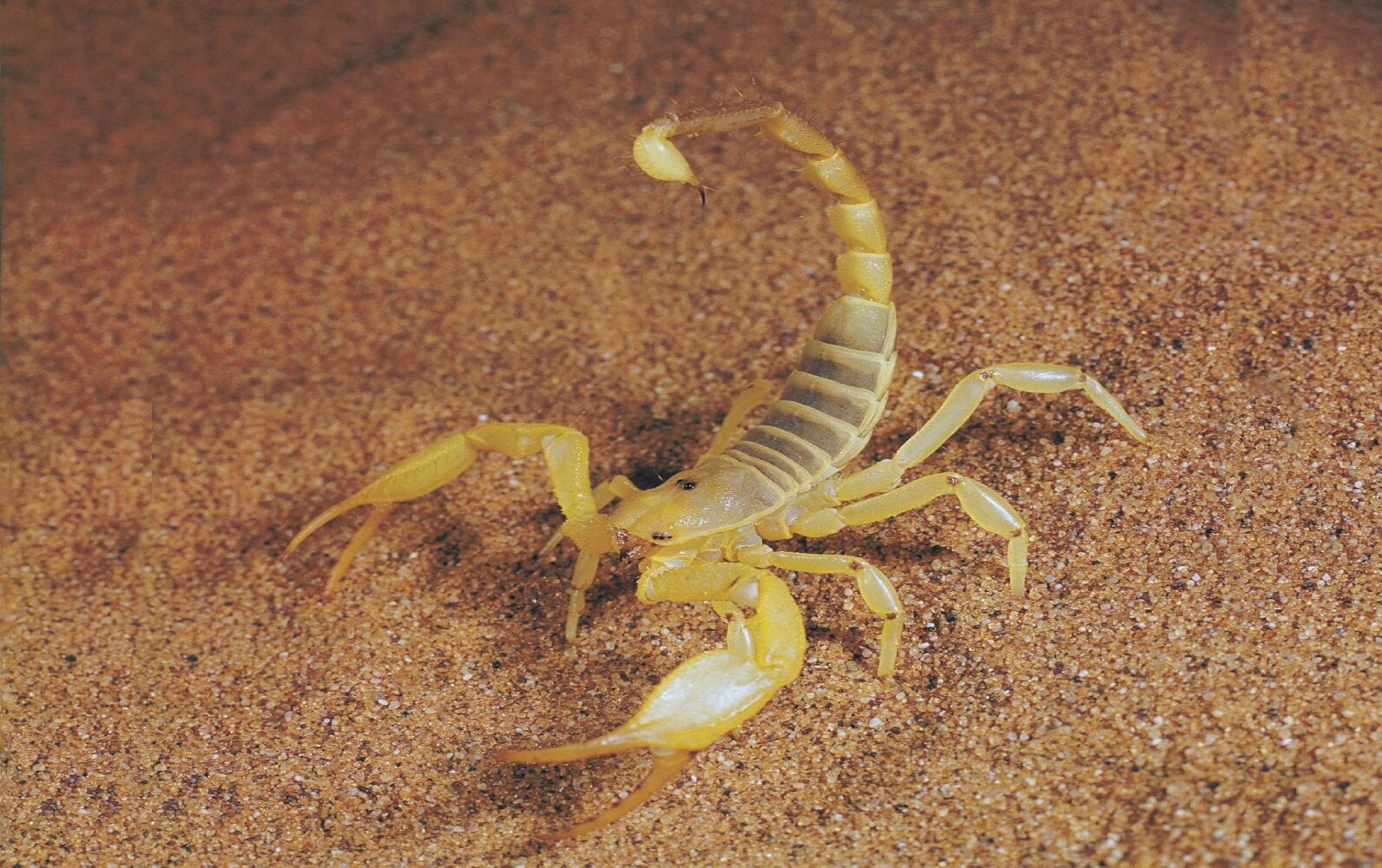
Scorpions are predatory arachnids that may enter homes, offices, warehouses, and other buildings in search of shelter, moisture, or prey. They are recognized by their pincers, eight legs, and curved tails ending in a stinger. Although many scorpions avoid humans, their stings can be painful, and some species have venom that can cause serious medical problems.
Scorpion may hide in dark, sheltered areas such as cracks, piles of materials, footwear, storage spaces, and areas around buildings. Understanding what scorpions look like, their life cycle, and how to get rid of them is important for reducing the risk of unwanted encounters.
At EOA Pest Control Services, we provide professional pest control solutions to help residential and commercial property owners manage pest problems and identify suitable control measures for their properties.
What Do Scorpions Look Like?
Scorpion are arachnids, meaning they belong to the same broad animal group as spiders, ticks, and mites. Unlike insects, adult scorpions have eight legs.
Their appearance varies by species, but most have a distinctive body shape that makes them relatively easy to recognize.
Common physical characteristics of scorpions include:
- Two pincers: Scorpion have a pair of claw-like appendages at the front of their bodies that they use to grasp prey.
- Eight legs: They use their legs to move across the ground and through sheltered areas.
- Segmented bodies: Their bodies consist of a front section and a broad abdomen.
- Curved tails: The tail consists of several segments and curves over the body.
- A stinger: The tip of the tail contains a stinger used to deliver venom.
- Variable colors: Depending on the species, scorpions may be yellow, tan, reddish-brown, dark brown, or black.
Scorpion vary considerably in size. Some are only a few centimeters long, while larger species can grow significantly longer.
What Do Baby Scorpions Look Like?
Baby scorpions, also called scorplings, resemble small versions of adult scorpions. They have pincers, eight legs, and a segmented tail, although their bodies are smaller and more delicate.
Unlike many arachnids, scorpions give birth to live young rather than laying eggs externally. After birth, the young typically climb onto their mother’s back and remain there for a period while they develop.
Finding a scorpion with young may indicate that a female has established a suitable sheltered area nearby.
What Colors Are Scorpions?
Scorpions color depends on the species and its environment. Common colors include:
- Yellow or pale tan.
- Light brown or reddish-brown.
- Dark brown.
- Black.
Color alone is not a reliable way to determine whether a scorpion is dangerous. If you find one inside your property, avoid handling it and contact a qualified pest control professional for assessment.
Where Do Scorpions Hide?
Scorpion generally prefer sheltered places where they can avoid disturbance and find prey. They are often more active at night, although their behavior varies by species and environmental conditions.
Common hiding places include:
- Cracks and gaps in walls or floors.
- Piles of stones, bricks, wood, and other materials.
- Cluttered storage areas.
- Spaces beneath furniture or stored items.
- Shoes, clothing, and other items left undisturbed.
- Gardens and areas with dense ground cover.
- Gaps around doors, windows, pipes, and building foundations.
Scorpion may enter buildings while searching for prey or suitable shelter. Their presence may also be associated with other insects that provide food.
For this reason, effective scorpion control should include inspecting both the building and the surrounding environment.
Signs of a Scorpion Problem
Scorpions are often difficult to detect because they hide during the day and may emerge at night.
Possible signs of scorpion activity include:
- Repeated sightings inside or around the building.
- Scorpions found near skirting boards, storage areas, or entry points.
- Scorpions discovered in shoes, clothing, or stored materials.
- Gaps and cracks that provide suitable hiding places.
- Frequent insect activity that may provide a food source.
A single sighting does not always mean there is a large infestation. However, repeated sightings or finding scorpions in occupied rooms should be taken seriously and investigated.
What Is the Life Cycle of a Scorpion?
Understanding the scorpion life cycle helps explain how scorpions develop and why they may continue to appear in areas that provide suitable shelter and food.
Scorpion do not undergo the egg, larva, and pupa stages seen in many insects. Instead, they give birth to live young that develop through several growth stages.
1. Birth Stage
After reproduction and pregnancy, a female scorpion gives birth to live young.
The number of young varies by species and environmental conditions. Newborn scorplings are small and soft-bodied compared with adults.
Soon after birth, they climb onto their mother’s back, where they remain for a period of time.
2. Young Scorpion Stage
Scorpling remains on their mother’s back until they have developed sufficiently to live independently. During this period, they are vulnerable and depend on the protection provided by their mother.
Once they leave her back, they begin moving around independently and hunting small prey as they develop.
3. Growth and Molting Stage
Scorpions grow by molting, which means shedding their external covering as their bodies increase in size.
Young scorpions usually molt several times before reaching adulthood. The number of molts and the time required vary according to the species and environmental conditions.
During and shortly after molting, scorpions may be more vulnerable because their new external covering needs time to harden.
4. Adult Stage
After reaching maturity, scorpions can reproduce. Adults continue hunting insects and other small animals.
Depending on the species, scorpions may live for several years. Some species can survive for longer under suitable conditions.
How Long Does the Scorpion Life Cycle Take?
The time required for a scorpion to reach adulthood varies by species. Some mature within roughly a year, while others may take several years.
Temperature, food availability, and environmental conditions can affect their growth and development.
Because scorpion may live for several years, effective control should focus on reducing access to buildings, suitable hiding places, and the prey that attracts them.
Why Do Scorpions Keep Coming Back After Treatment?
Scorpion may reappear after treatment for several reasons.
Entry points remain open: Scorpions may continue entering through gaps beneath doors, cracks, and openings around pipes or foundations.
Suitable hiding places remain: Clutter, stored materials, and sheltered outdoor spaces may continue to provide places for scorpions to hide.
Prey remains available: Insects and other small animals may continue attracting scorpions to the property.
Nearby habitats remain suitable: Gardens, piles of materials, and surrounding areas may support scorpion activity.
The treatment does not address the source: Treating one room may not address entry points or hiding places elsewhere on the property.
For these reasons, effective scorpion management should combine suitable treatment with environmental improvements, exclusion measures, and monitoring.
Why Choose EOA Pest Control Services for Scorpion Control?
Scorpions can be difficult to manage because they are often active at night and hide in sheltered areas during the day. Professional pest control can help identify contributing conditions and determine appropriate control measures.
At EOA Pest Control Services, we help residential and commercial clients address pest problems through inspection, targeted treatment, and practical prevention advice.
Our services can support properties such as:
- Homes and apartments.
- Residential estates.
- Hotels and guest houses.
- Offices and commercial buildings.
- Schools and institutional premises.
- Warehouses and other facilities.
We understand that each property has different pest control requirements. Our approach considers the affected areas, possible entry points, environmental conditions, and measures that may help reduce recurring scorpion activity.
Frequently Asked Questions About Scorpions
What do scorpions look like?
Scorpions are arachnids with eight legs, two pincers, segmented bodies, and curved tails ending in a stinger. Their colors vary from pale yellow and brown to dark brown or black.
Are scorpions insects?
No. Scorpions are arachnids, not insects. They are related to spiders, ticks, and mites.
Are scorpions dangerous?
Some scorpions have venom that can cause serious symptoms. The level of risk depends on the species and the person stung. Avoid handling scorpions, and seek medical advice after a sting, especially if symptoms are severe or the affected person is a child.
What attracts scorpions to a house?
Scorpion may enter buildings in search of shelter, suitable temperatures, moisture, or prey. Clutter, structural gaps, and insect activity can contribute to their presence.
Do scorpions lay eggs?
No Scorpions give birth to live young. The newborn scorplings usually climb onto their mother’s back and remain there for a period before living independently.
How long do scorpions live?
Their lifespan varies by species. Some scorpion live for several years, and certain species may live longer under favorable conditions.
Can pest control get rid of scorpion?
Professional pest control may help reduce scorpion activity by identifying hiding places, treating suitable areas, and addressing entry points and environmental conditions. Results depend on the species, property conditions, and the control measures used.
How can I prevent scorpions from entering my home?
Seal suitable gaps, reduce clutter, maintain outdoor areas, inspect shoes and stored items, and address other insect problems. If scorpions are repeatedly found inside, consider a professional inspection.
Get Professional Scorpion Control with EOA Pest Control Services
Scorpions can enter properties in search of food and shelter, creating concern for residents, staff, and visitors. Understanding what scorpions look like and how they develop can help you recognize their presence and take appropriate preventive steps.
Effective scorpion control requires a combination of inspection, suitable treatment, entry-point management, and environmental maintenance.
Contact EOA Pest Control Services today to discuss your scorpion problem and arrange a property assessment. Whether you need scorpion control for your home, hotel, office, school, warehouse, or commercial property, our team can help you identify suitable pest management measures.
Take proactive steps to reduce scorpion activity and protect your property with EOA Pest Control Services.


