

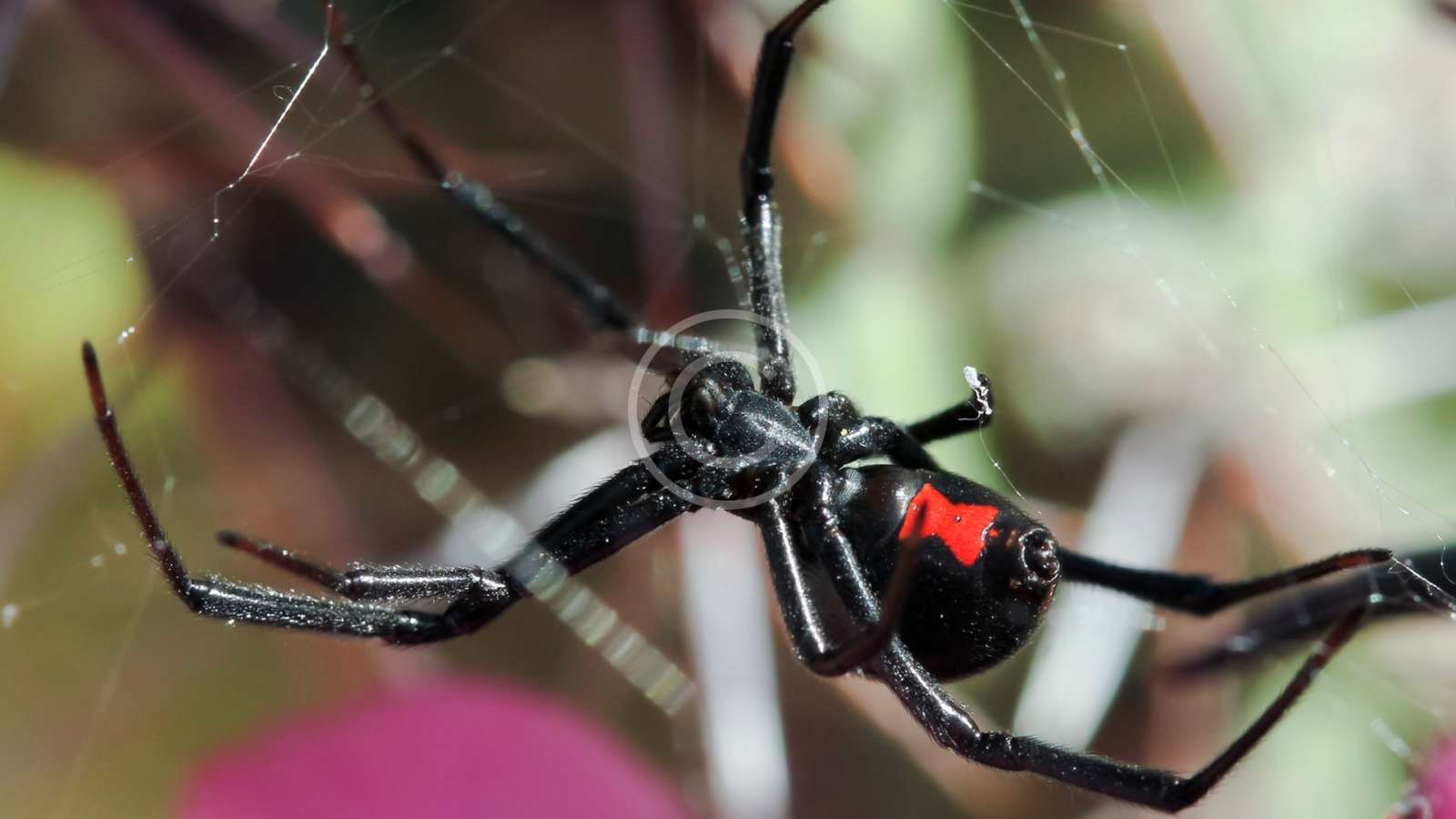
Spider
What Do Spider Looks Like? Their Life Cycle and Why Choose EOA Pest Control for Spider Control
Spider is a common arachnids found in homes, offices, gardens, warehouses, and commercial buildings. Although many spiders are harmless to humans, their presence can cause concern, especially when they build webs in corners, ceilings, windows, and other areas of a property.
Understanding what spiders look like, their life cycle, and how to manage them can help you maintain a cleaner and more comfortable environment. At EOA Pest Control Services, we provide professional pest management solutions to help customers manage spider activity and reduce the conditions that attract these pests.
What Do Spider Looks Like?

Spiders are arachnids, not insects. Unlike insects, which typically have six legs, spiders have eight legs and two main body sections: the cephalothorax and the abdomen.
Most spiders have the following physical characteristics:
- Eight legs: Spiders have four pairs of legs used for walking, climbing, and sensing their surroundings.
- Two main body sections: Their bodies consist of a front section and a rounded or elongated abdomen.
- Multiple eyes: Most spiders have eight simple eyes, although some species have six, fewer, or differently arranged eyes.
- Fangs: Spiders have mouthparts called chelicerae, which include fangs used to capture prey.
- Silk-producing organs: Many spiders produce silk to build webs, create egg sacs, or secure themselves while moving.
- Different colours and sizes: Depending on the species, spiders may be brown, black, grey, yellow, or patterned.
Some spiders build intricate webs to catch insects, while others hunt by moving around and actively pursuing their prey.
Common Types of Spiders Found Around Homes
Different spider species may be found around residential and commercial properties.
1. House Spiders
House spiders are commonly found in quiet indoor spaces such as corners, ceilings, storage rooms, and behind furniture. Some species build webs in areas where insects are readily available.
2. Cellar Spiders
Cellar spiders have long, slender legs and small bodies. They are often found in sheltered areas such as ceilings, storerooms, and other undisturbed spaces.
3. Wolf Spiders
Wolf spiders are generally robust and hairy-looking, with relatively long legs. Unlike many web-building spiders, they actively hunt insects and may be seen moving across floors or outdoor surfaces.
4. Jumping Spiders
Jumping spiders are usually small, compact, and active during the day. They have good vision and use short jumps to capture prey.
Correct identification can help determine the most suitable approach to spider control.
The Life Cycle of Spider
Understanding the spider life cycle is important for managing spider populations. Most spiders develop through three broad stages: egg, spiderling, and adult. Their development time varies depending on the species, temperature, and availability of food.
1. Egg Stage
Female spiders lay eggs that are enclosed in protective silk egg sacs. Depending on the species, an egg sac may contain a few eggs or several hundred.
Spiders may attach their egg sacs to webs, hide them in sheltered locations, or carry them until the eggs hatch.
2. Spiderling Stage
When the eggs hatch, young spiders called spiderlings emerge. They resemble miniature versions of adult spiders, although they are smaller and may have different colour patterns.
Some spiderlings remain near the egg sac for a short period, while others disperse to find suitable habitats and food.
3. Juvenile Stage
Young spiders grow by shedding their outer exoskeleton, a process known as moulting. They may moult several times before reaching maturity.
During this stage, they feed on small insects and other suitable prey. Their growth rate depends on the species and environmental conditions.
4. Adult Stage
Once mature, spiders can reproduce. Adult females may produce additional egg sacs when conditions are suitable, potentially introducing more spiders into the surrounding environment.
Some spider species live for only about a year, while others can live for several years.
Why the spider life cycle matters: Removing visible spiders and webs may not completely resolve a recurring problem if egg sacs, suitable hiding places, and a steady supply of insects remain. Effective spider management should consider the surrounding environment as well as the spiders themselves.
Why Do Spider Enter Homes and Businesses?
Spiders often enter buildings in search of food, shelter, and suitable places to reproduce. Many are attracted indirectly by the presence of insects they feed on.
Common factors that encourage spider activity include:
- An abundance of insects around lights, windows, and doors.
- Cluttered storage rooms and undisturbed corners.
- Gaps around windows, doors, and other building openings.
- Outdoor vegetation close to walls and windows.
- Uncleaned webs and sheltered nesting areas.
- Infrequently used rooms, ceilings, and storage spaces.
Reducing insect activity and limiting suitable hiding places can help make your property less attractive to spiders.
Why Choose EOA Pest Control Services?
Spiders and their webs can affect the appearance, comfort, and cleanliness of your property. At EOA Pest Control Services, we help residential and commercial clients manage unwanted spider activity through appropriate pest management solutions.
1. Professional Pest Management
We assess the affected environment to help identify areas where spiders are active and conditions that may be encouraging their presence.
2. Targeted Spiders Solutions
Our approach focuses on suitable control measures based on the infestation, the affected areas, and the property’s specific needs.
3. Residential and Commercial Services
We provide pest control solutions for homes, offices, hotels, restaurants, warehouses, and other commercial premises.
4. Prevention Advice
Effective spider control involves more than removing visible spiders. We provide practical recommendations on reducing insect activity, removing webs, managing clutter, and limiting potential entry points.
5. Safety-Conscious Treatment
We prioritise appropriate product selection and application precautions, particularly in environments occupied by children, pets, or people who may be sensitive to pest-control products.
6. Solutions Tailored to Your Property
Every property is different. Our recommended approach considers the level of spider activity, the surrounding environment, and the conditions contributing to the problem.
Choose EOA Pest Control Services for professional assistance in managing spider activity and maintaining a cleaner, more comfortable environment.
Contact us today to discuss your spider control needs and arrange an assessment for your property.
How to Prevent Spider from Returning
Prevention is an important part of long-term spider management. Follow these practical tips:
- Remove webs regularly.
- Reduce insect activity inside and around your property.
- Keep storage areas organised and free from unnecessary clutter.
- Seal gaps around doors, windows, and pipes.
- Repair damaged window and door screens.
- Trim vegetation close to the building.
- Inspect dark, undisturbed areas periodically.
- Seek professional pest control assistance when spider activity persists.
Combining these measures with suitable treatment can help reduce the likelihood of recurring spider problems.
Frequently Asked Questions About Spider
What do spiders look like?
Spiders typically have eight legs, two main body sections, and fangs. Their size, colour, and body shape vary depending on the species.
What is the life cycle of spiders?
Most spiders develop through the egg, spiderling, juvenile, and adult stages. Young spiders grow by moulting until they reach maturity.
Are all spiders dangerous?
No. Most spider species are not considered medically dangerous to humans. However, some species can deliver medically significant bites, so unfamiliar spiders should not be handled unnecessarily.
Why do spiders keep appearing in my house?
Spiders may continue to appear when insects are abundant, suitable hiding places remain available, or gaps allow them to enter from outdoors.
Can EOA Pest Control Services help with spiders infestations?
Yes. EOA Pest Control Services can assess spider activity and recommend appropriate pest management and prevention measures for residential and commercial properties.
Conclusion
Spiders are a natural part of the environment, but their presence inside buildings can become a nuisance. Knowing what spiders look like, understanding their life cycle, and identifying the conditions that attract them can help you manage spider activity more effectively.
For better results, combine regular cleaning, web removal, insect management, and preventive measures. When spider activity persists, professional assistance can help identify the underlying problem and determine suitable control options.
EOA Pest Control Services is committed to helping you manage unwanted pests and maintain a cleaner, more comfortable environment. Contact us today for professional spider control services.


